

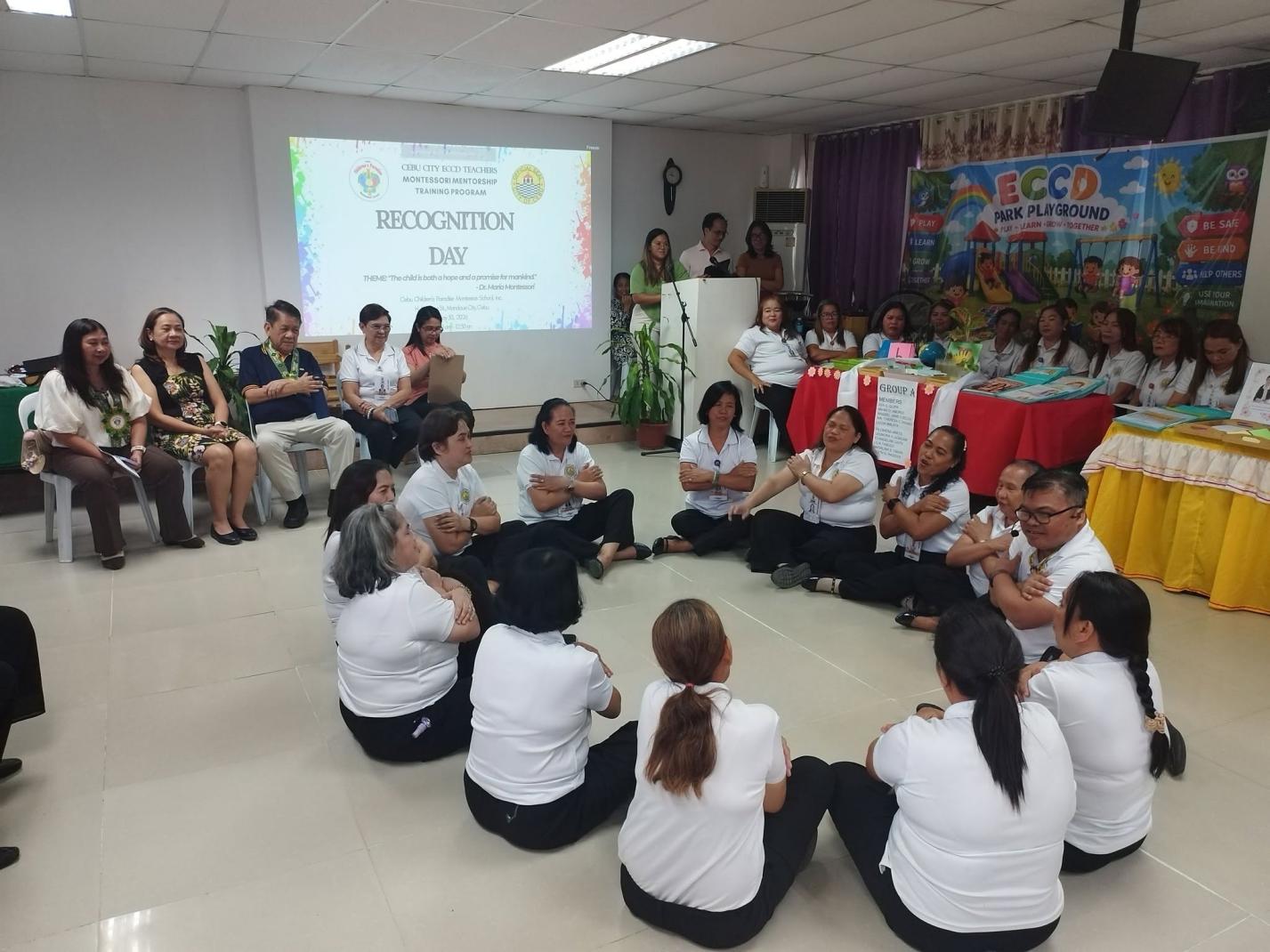
A child’s future begins long before entering elementary school. Recognizing the importance of the first six years of life, the Cebu City Government has invested in a citywide training program aimed at improving the quality of early childhood education in its Early Childhood Care and Development (ECCD) (used to be daycare) centers.
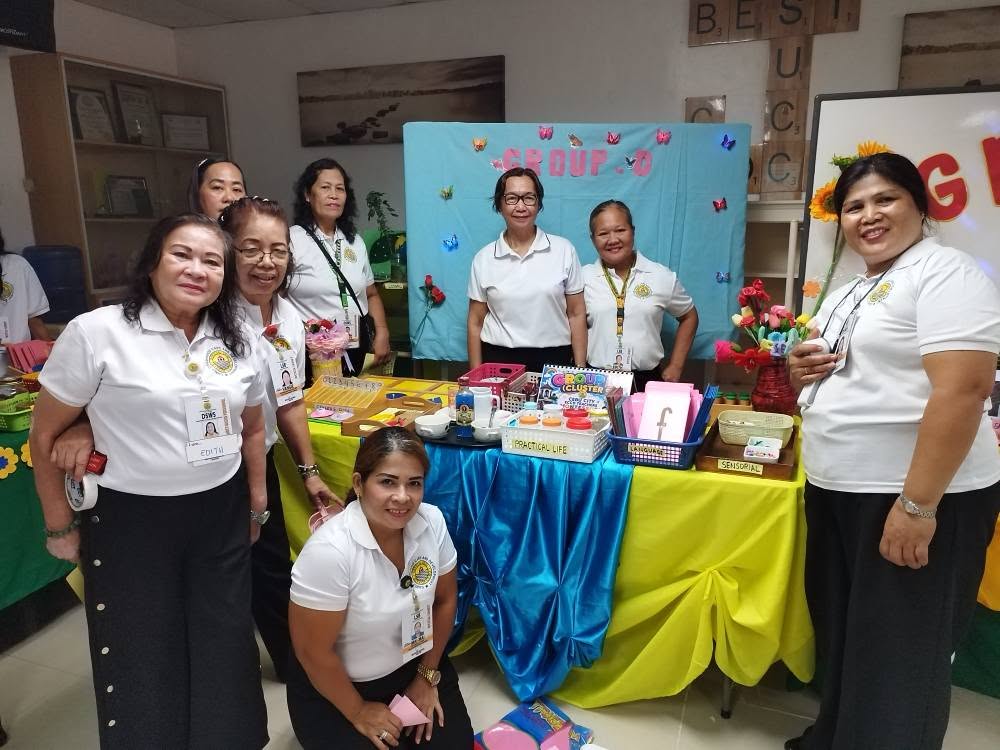
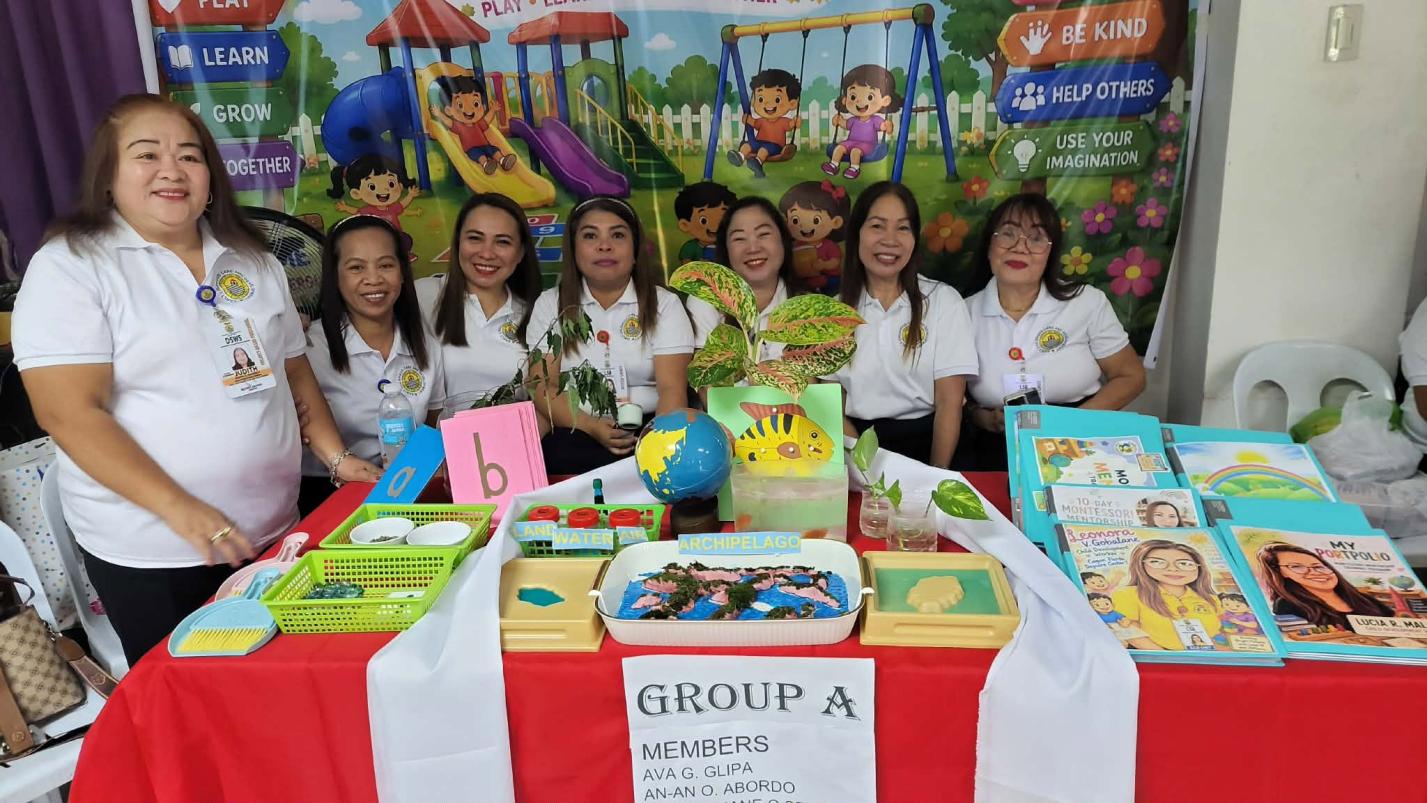
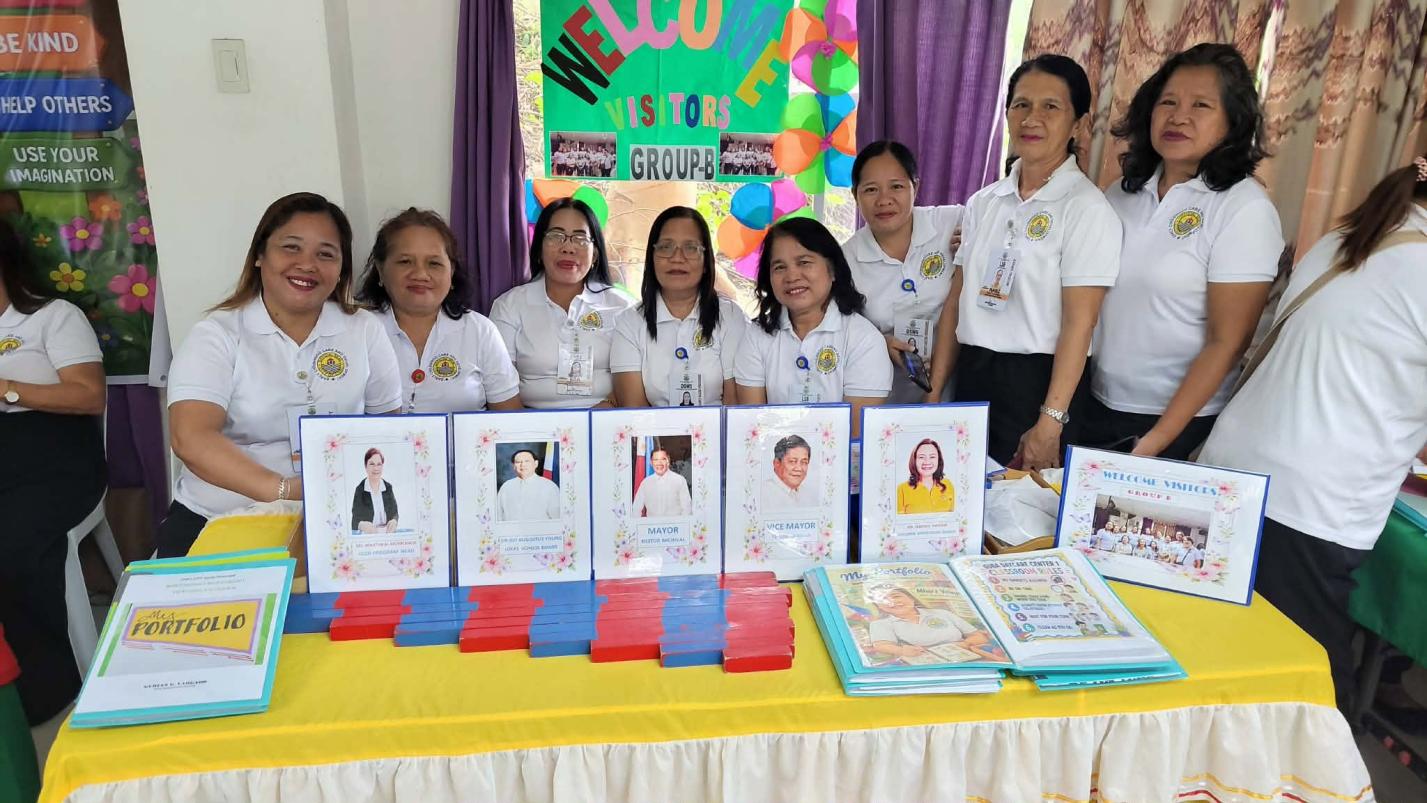
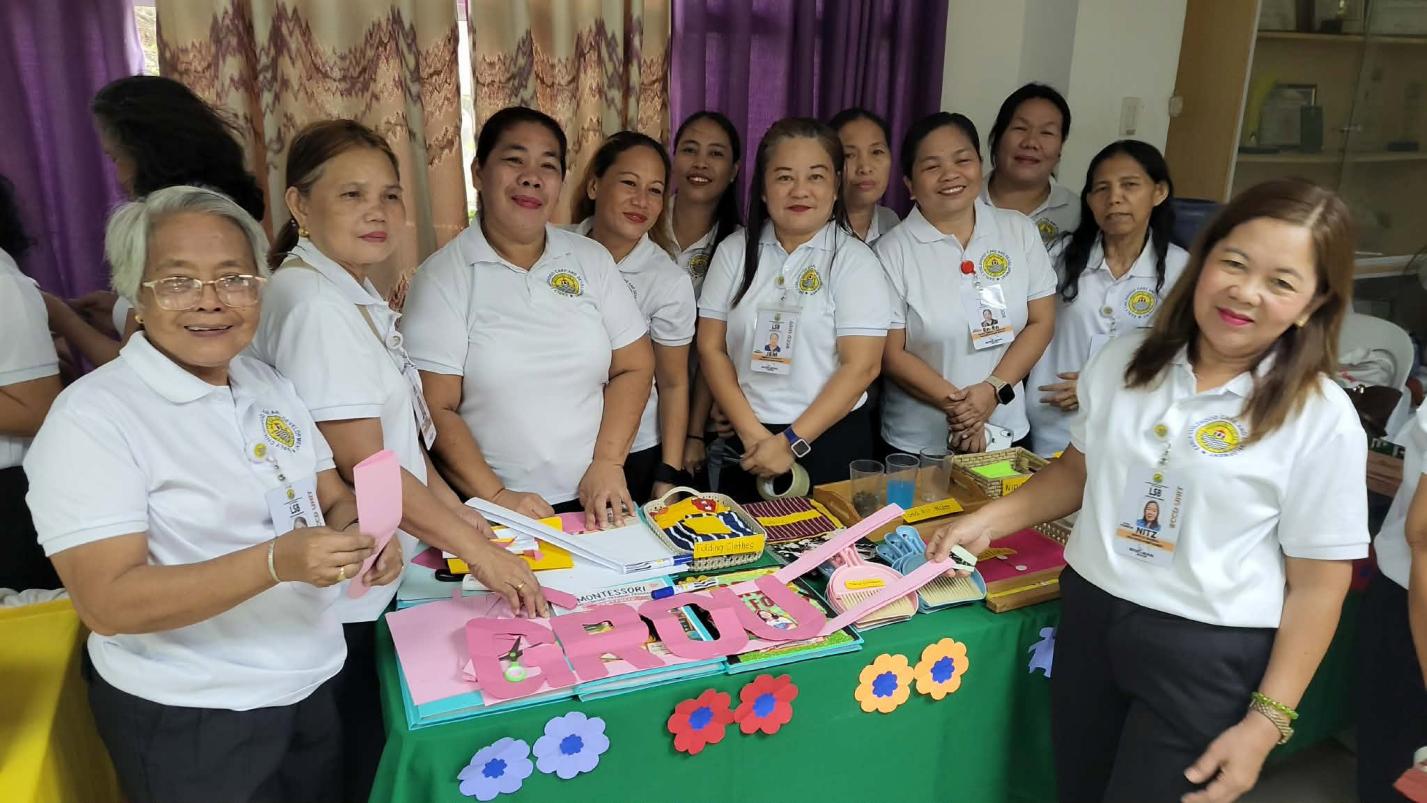
For School Year 2026-2027, Cebu City partnered with Children’s Paradise Montessori School (CPMS) to provide Montessori training to all 263 ECCD teachers serving in barangay ECCD centers.
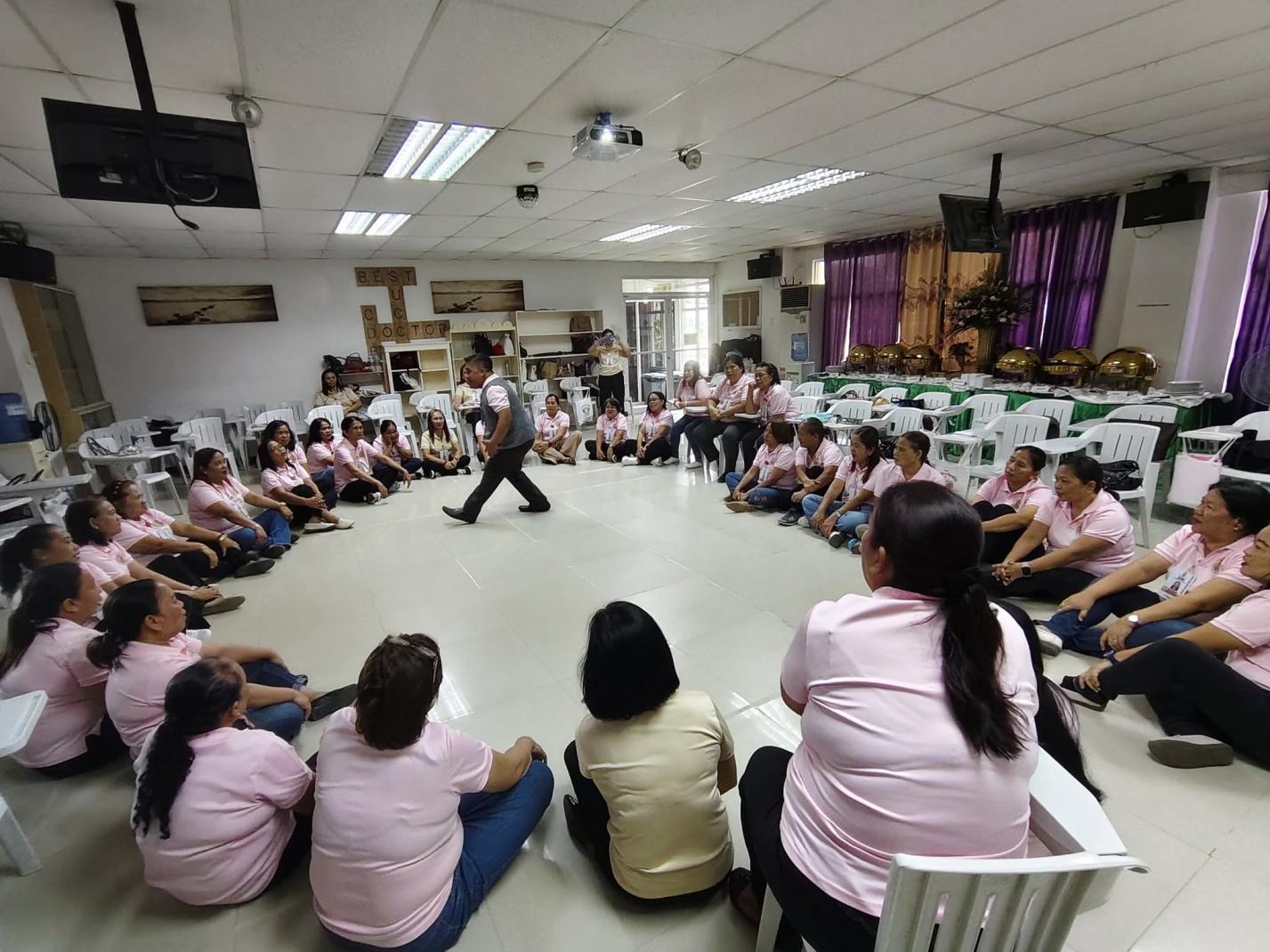
The initiative is part of the city’s continuing efforts to strengthen the foundation of learning among young children by equipping ECCD teachers with new skills, teaching strategies, and a deeper understanding of child development.
The training was conducted in two batches. The first batch consisted of 60 cluster heads, supervisors, and teachers who had previously attended three to four Montessori trainings.
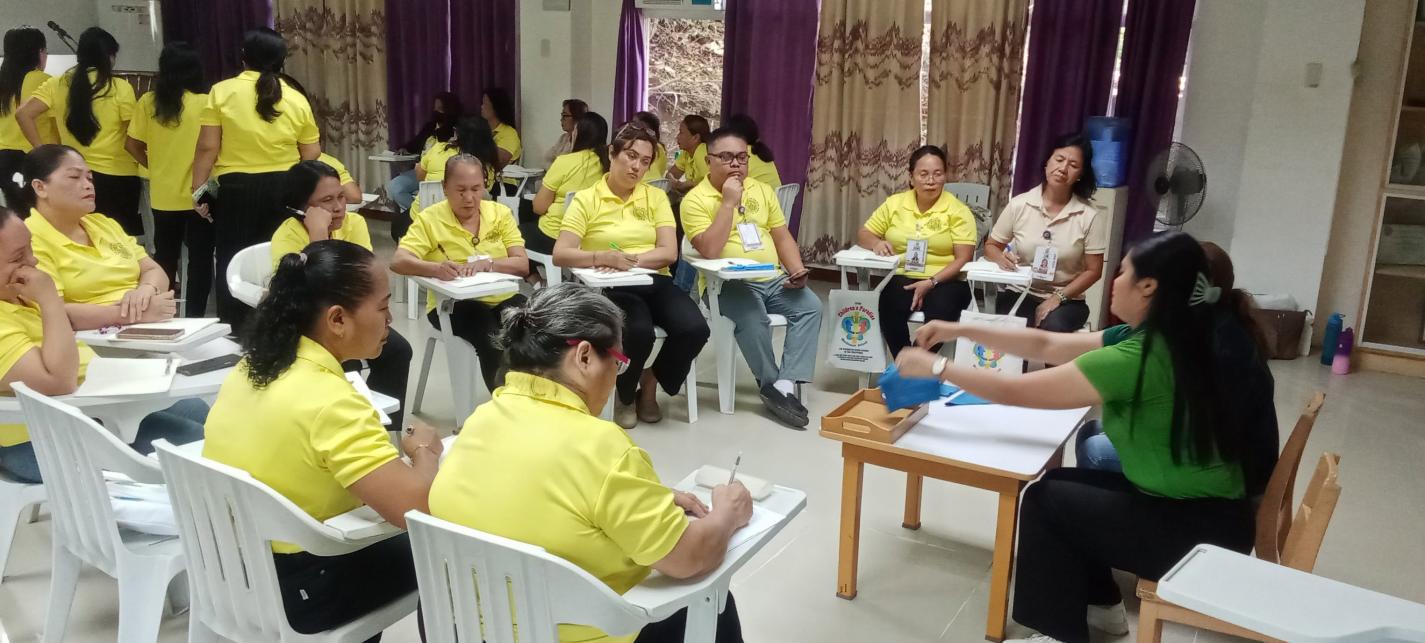
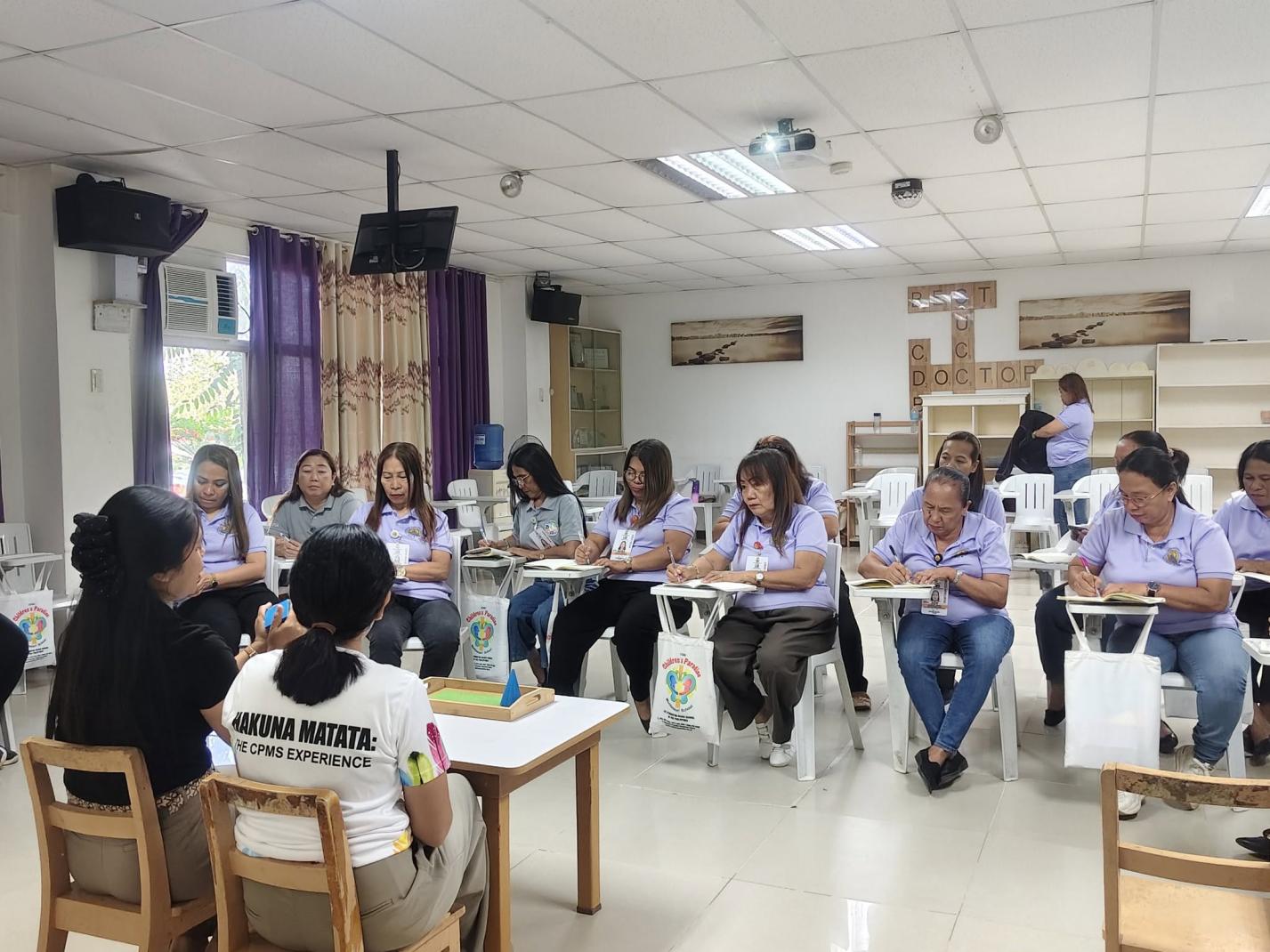
They completed a 10-day Montessori Mentorship Training Program from May 18 to 30. The second batch, composed of 203 ECCD teachers with little or no prior Montessori training, will undergo a Basic Montessori Training Program from June 1 to 13. Children’s Paradise Montessori President and Founder Marivic Bathan said the program goes beyond teaching classroom techniques.
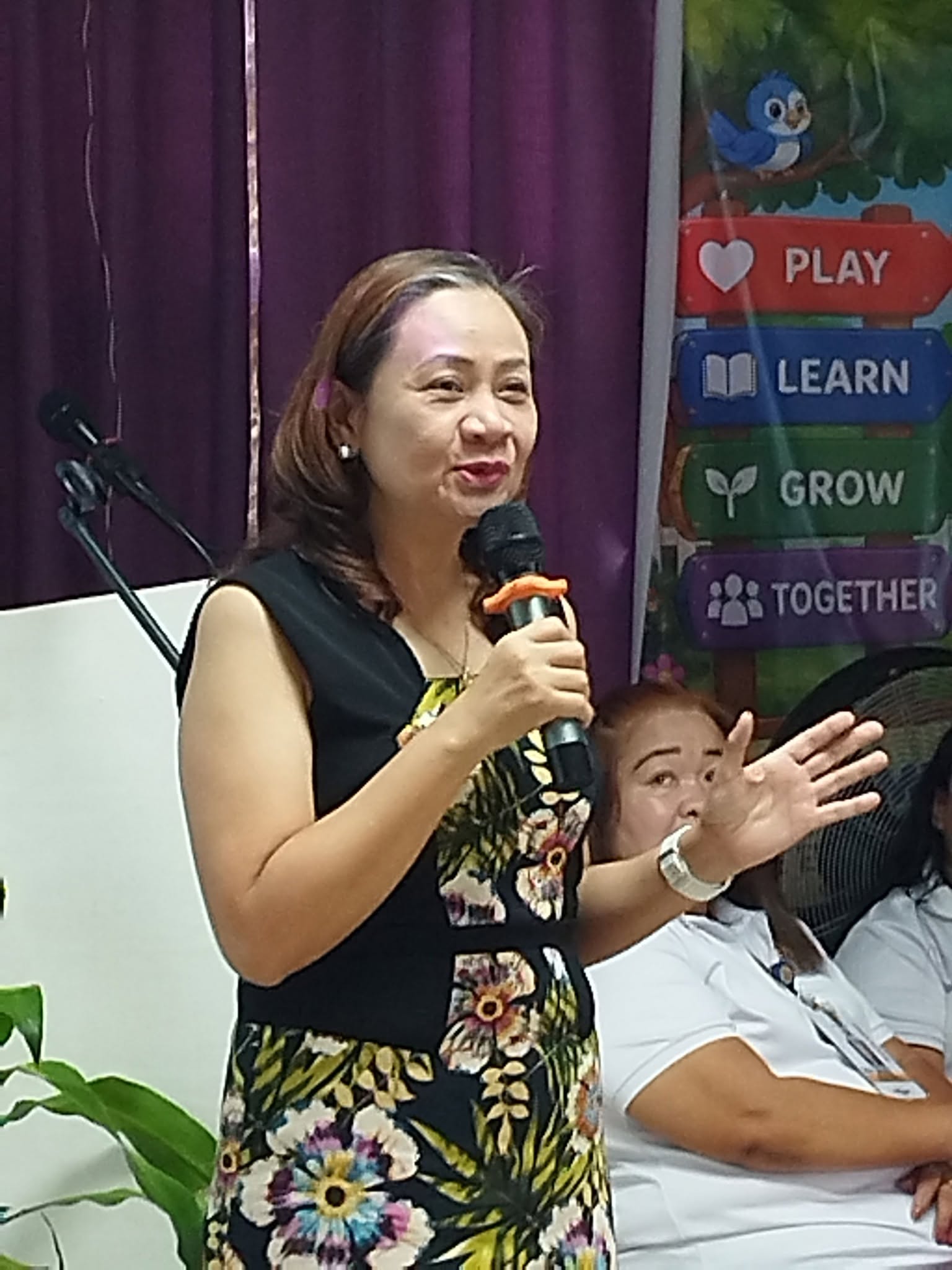
“It’s a brand-new school year, 2026-2027. We went through a transformative journey,” Bathan told participants during the recognition ceremony of the first batch. “When you came here on the first day and now on the tenth day, we can see how ready you are to face the children with more love, more compassion, more calmness, more confidence, and more competence.”
She stressed that the training’s ultimate purpose is to benefit the children entrusted to the care of ECCD teachers.
“It is always and always for the children,” she said. Bathan also underscored the importance of investing in teachers, citing recommendations from the EDCOM 2 “Turning Point” report, which identified professional development for child development workers and teachers as a national priority.
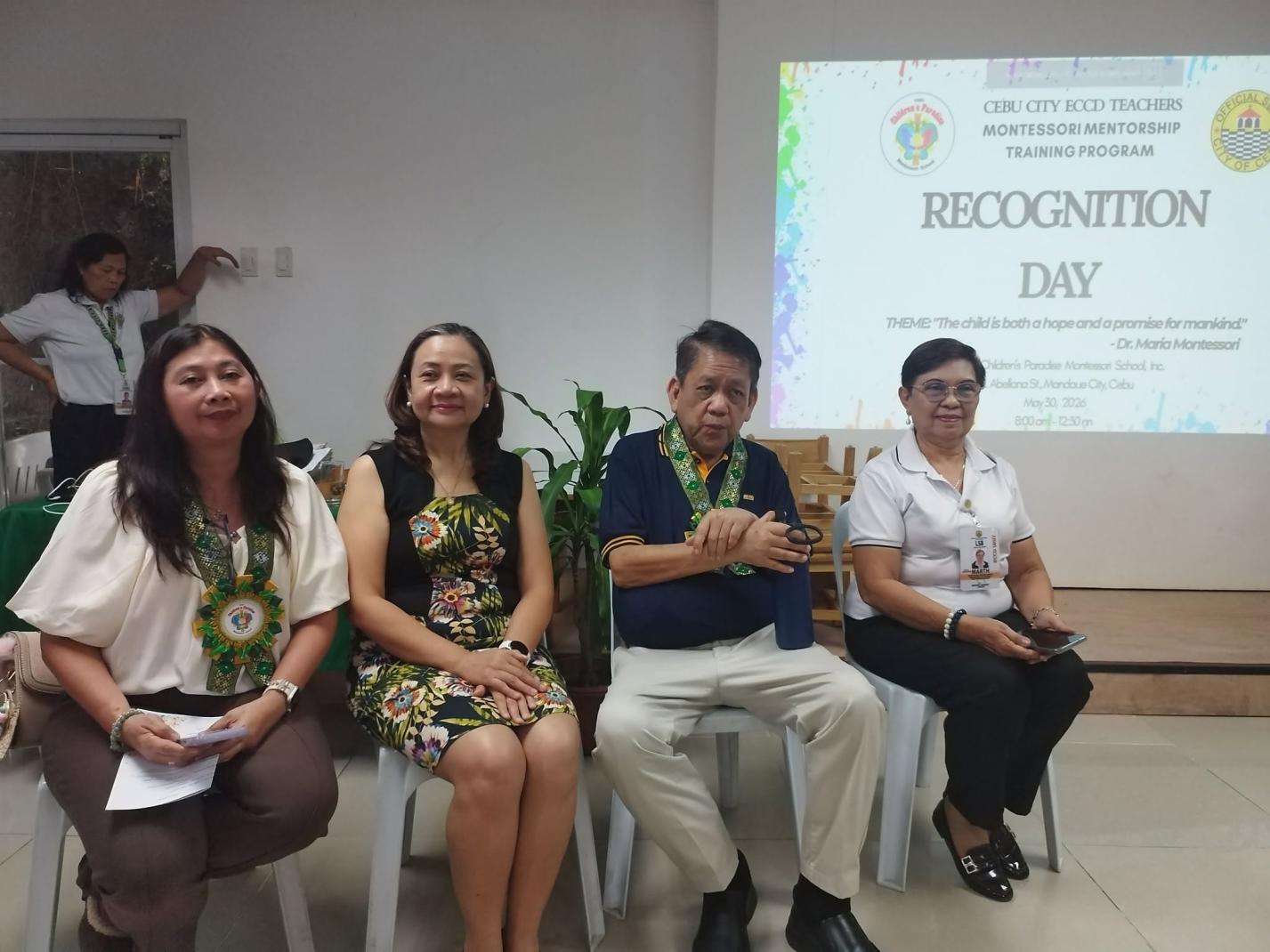
“The professional development of our ECCD teachers is paramount,” she said. According to Bathan, the Montessori approach encourages teachers to become guides who prepare learning environments that allow children to learn independently, explore through hands-on activities, and develop confidence at an early age.
During the recognition program, CPMS Montessori Curriculum Director Noemi Carmack emphasized the crucial role ECCD teachers play in shaping the future.
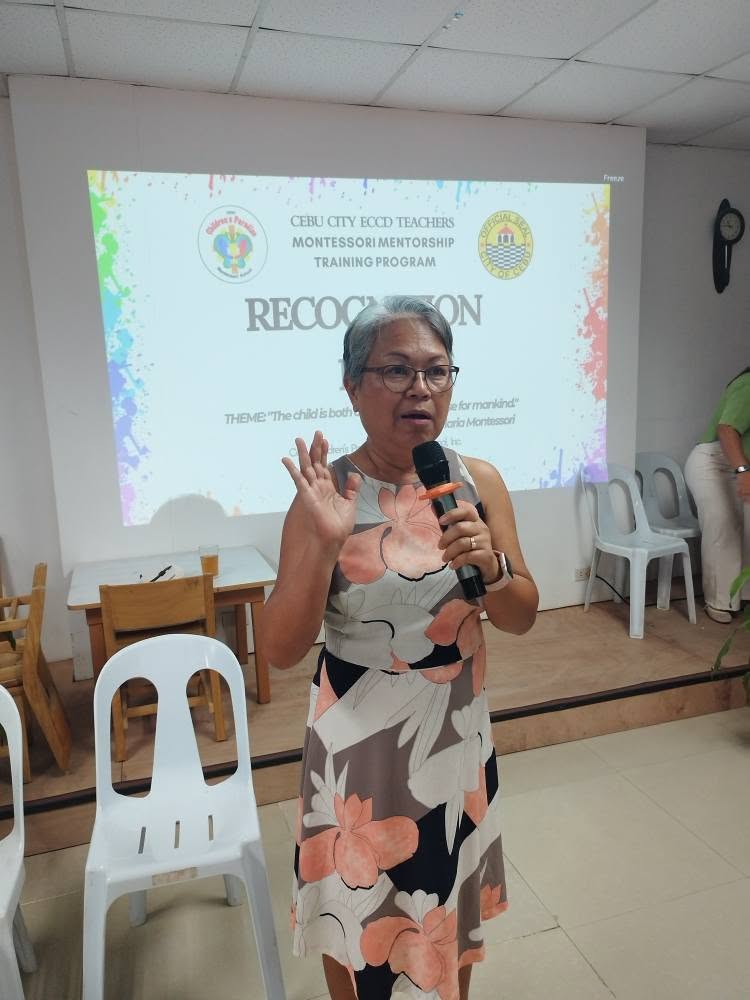
Carmack is a retired USA-AMI (Association Montessori Internationale) Trained teacher and American Montessori Society (AMS) instructor with 30+ years of Montessori teaching experience both in public and private schools in the USA.
“Whether they become future leaders of Cebu City, pioneering scientists, compassionate artists, or upright citizens, that promise cannot fulfill itself,” she said. “It requires a custodian. It requires a gardener who knows how to nurture the soil, water the roots, and step back to allow the unique flower to bloom. That custodian is you.”
Carmack said the Montessori Mentorship Training Program equips teachers with a time-tested philosophy that moves away from rigid, traditional methods and instead promotes independent learning. “Our learners will learn not just to memorize and follow. They will learn to lead,” she said. “You are teaching three- and four-year-old learners how to think, how to care, and how to become independent.”
The impact of the training was already evident among participants.
Maria Teresa Maraon of Pasil Day Care Center 1 said she plans to immediately apply what she learned when classes begin. “For the 10 days of training, I learned so much. I will start applying the Montessori approach in my daycare center this June. I really like this way of teaching, especially for three- to four-year-old learners,” she said.
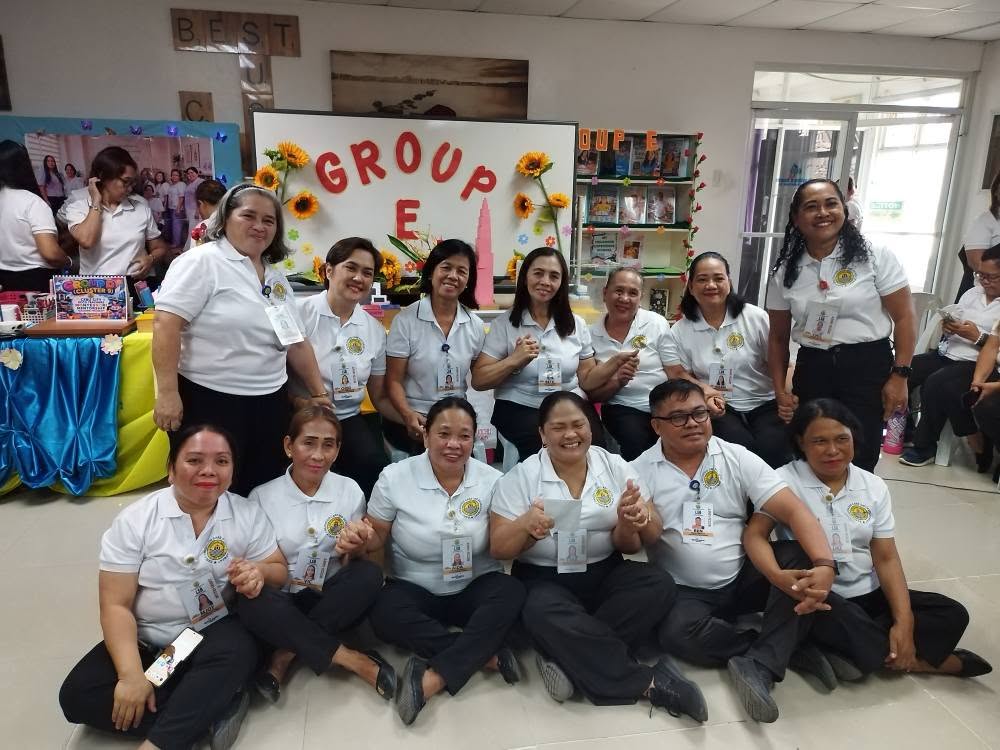
Maricel Pilapil, child development worker of Barangay Guba Day Care Center 1, shared a similar sentiment. “I learned more techniques in handling children. I want to move away from traditional methods and use the Montessori approach that I learned during the training,” she said.
For Lilibeth Arcilla Herrera, Cluster 5 supervisor, the training will have a ripple effect beyond her own classroom. “I’m happy that I joined the training,” she said. “As a supervisor, I can share these learnings with ECCD Teachers during my monitoring visits and help them move away from traditional teaching methods.”
The city’s commitment to early childhood education has roots dating back to 2008 when former councilor Joy Augustus Young championed programs focused on brain development during a child’s first six years.
Inspired by Montessori principles, the city invested in teacher training and learning materials for daycare centers.
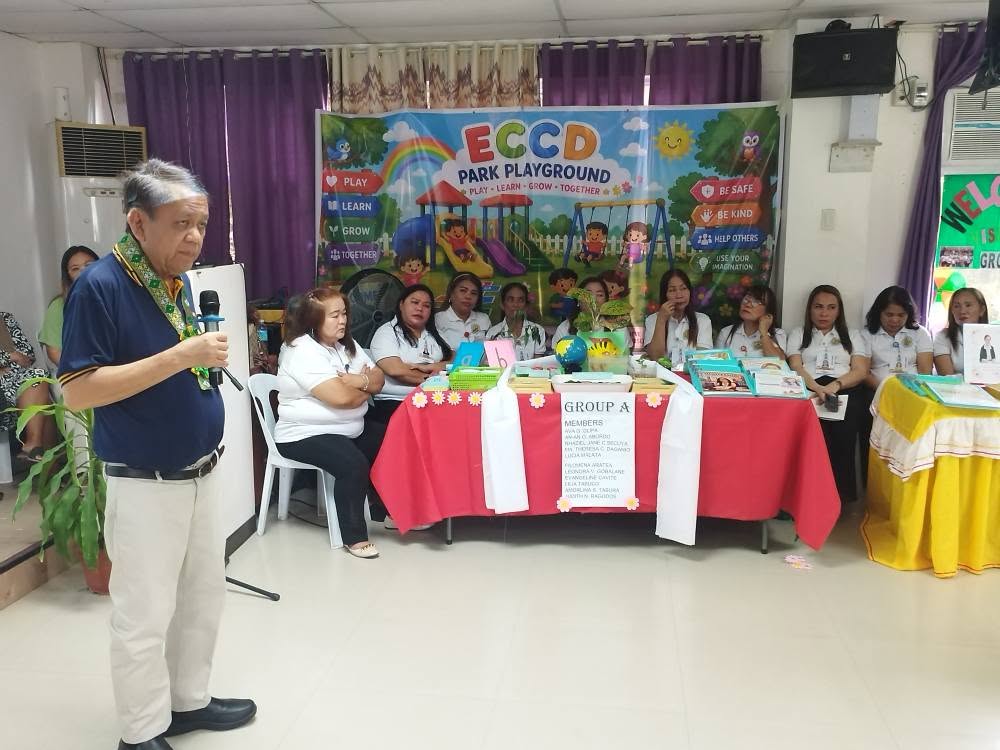
Cebu City Vice Mayor Tomas Osmeña attended the recognition ceremony for the first batch of teachers. He acknowledged Joy Young’s longstanding advocacy for education.
Osmeña noted that Young, despite no longer being in public office, continues to support educational initiatives and remains active in promoting quality learning opportunities for children.
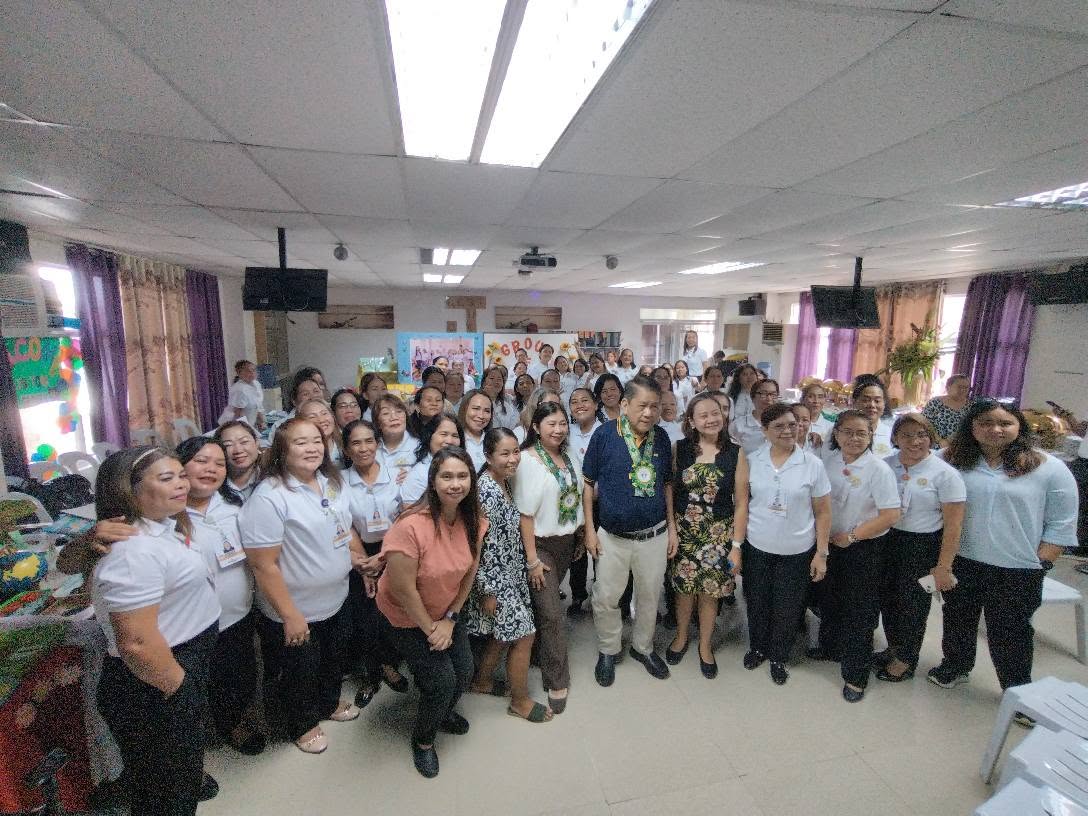
As the city prepares for the new school year, the training program reflects Cebu City’s belief that improving education begins with investing in those who teach the youngest learners by strengthening the skills and confidence of daycare teachers, the city hopes to give every child a stronger start in life and a better chance to succeed in the years ahead.