

By: IRENE SINO-CRUZ
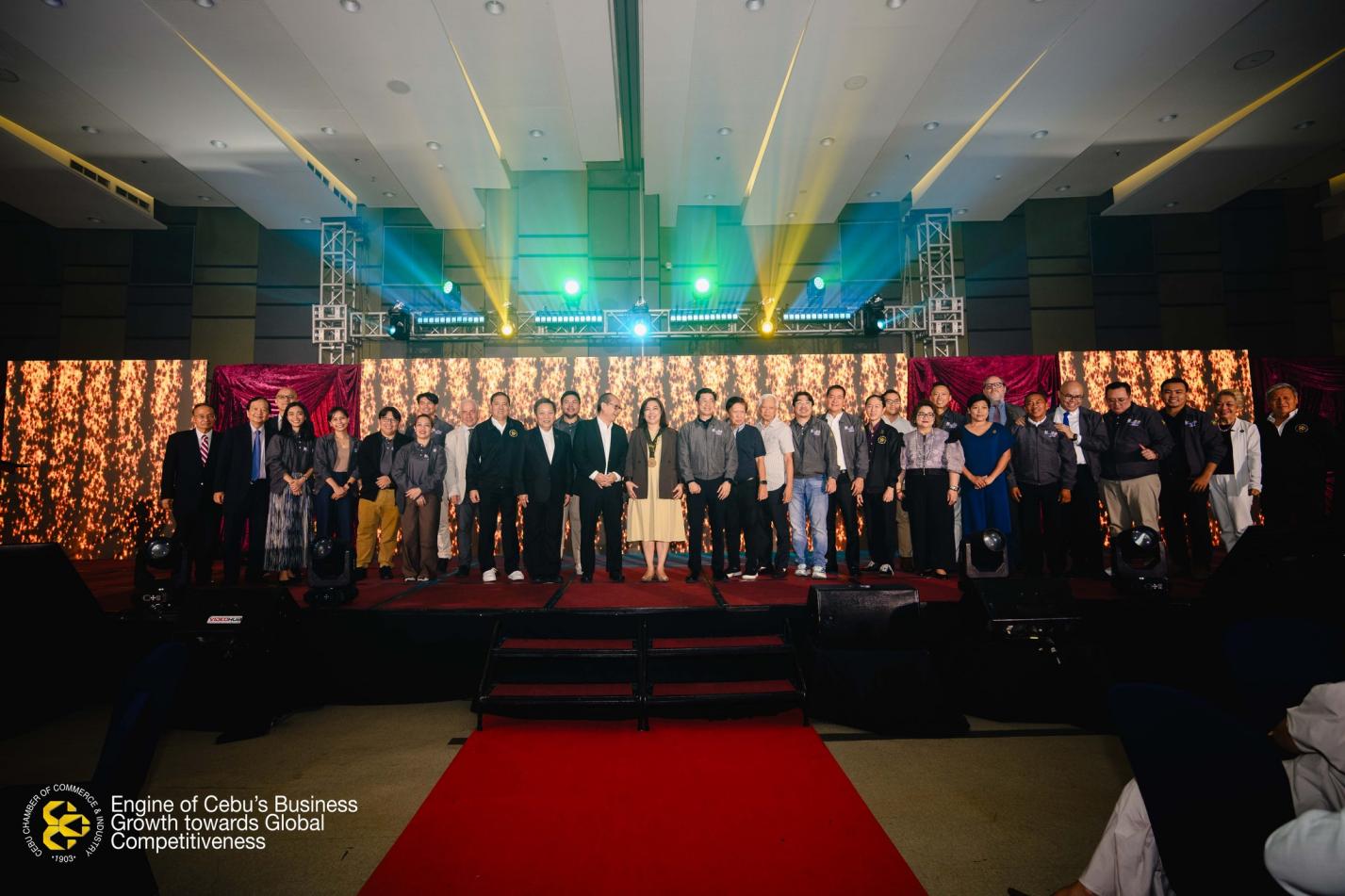
Business leaders, government officials, entrepreneurs, and stakeholders gathered for the official launch of Cebu Business Month (CBM) 2026, signaling Cebu’s continuing push toward innovation, collaboration, and global competitiveness.
Organized by the Cebu Chamber of Commerce and Industry (CCCI), CBM 2026 was presented not merely as a series of business events but as a long-term platform for shaping Cebu’s economic future.
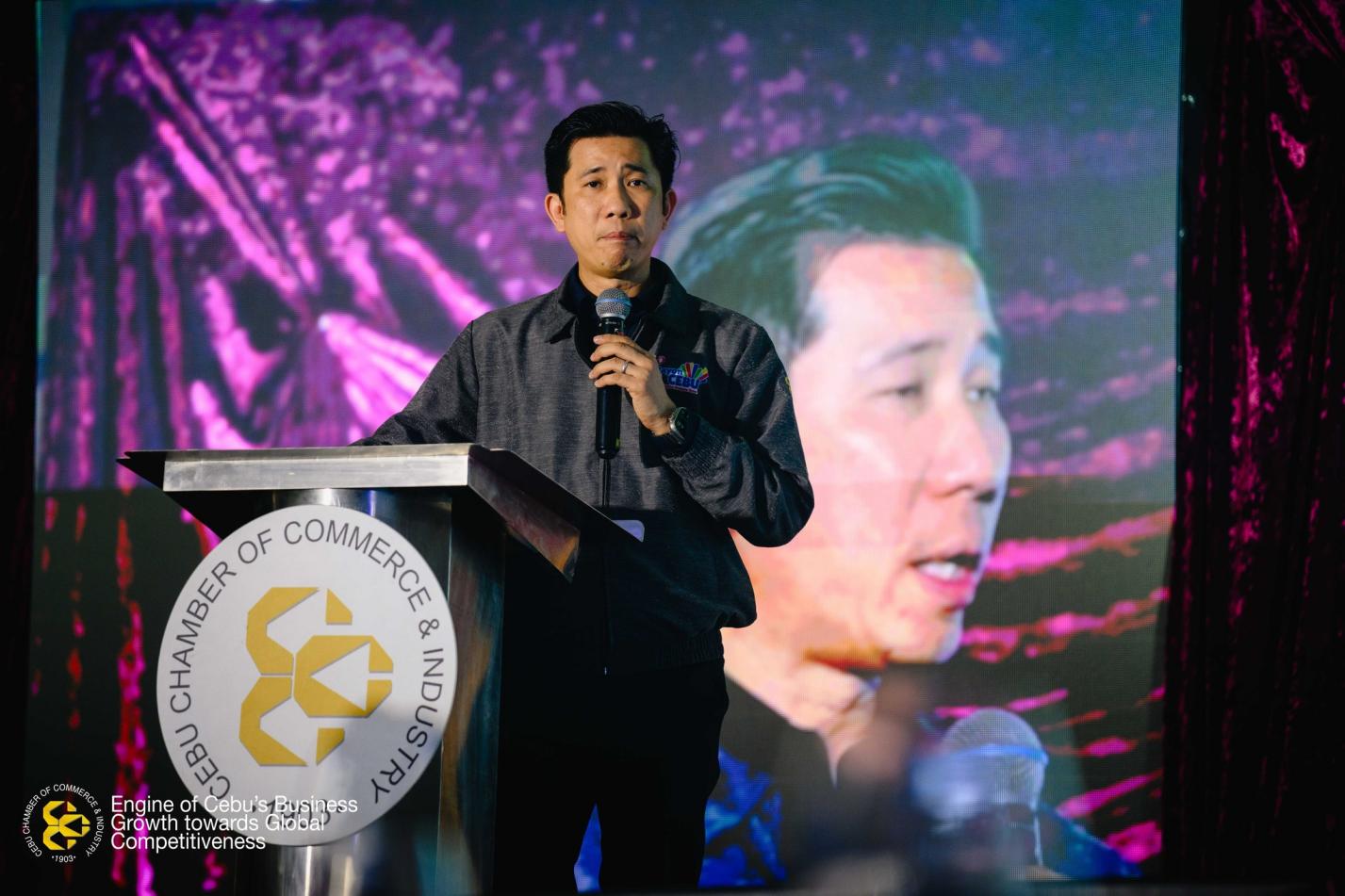
“This gathering is a reflection of what Cebu becomes when business, government and the wider community come together with a shared vision for growth and progress,” said CCCI President Regan Rex King during the launch.
King emphasized that the chamber remains committed to building “world-class enterprises, nurturing a world-class business community and empowering world-class Cebuanos.”
Since its founding in 1996, Cebu Business Month has evolved into one of Cebu’s largest platforms for dialogue, investment discussions, innovation, and partnerships among various sectors.
For King, CBM serves as an annual declaration that Cebu remains open for business and ready to move forward despite global economic uncertainties.
“CBM is an annual declaration that Cebu is open, Cebu is competitive and Cebu is moving forward,” he said.
He also acknowledged the rapidly changing global environment marked by supply chain disruptions, volatile markets, and fast-changing industries, stressing that Cebu cannot afford to remain stagnant.
“In a world moving this quickly, standing still is not an option,” King said.
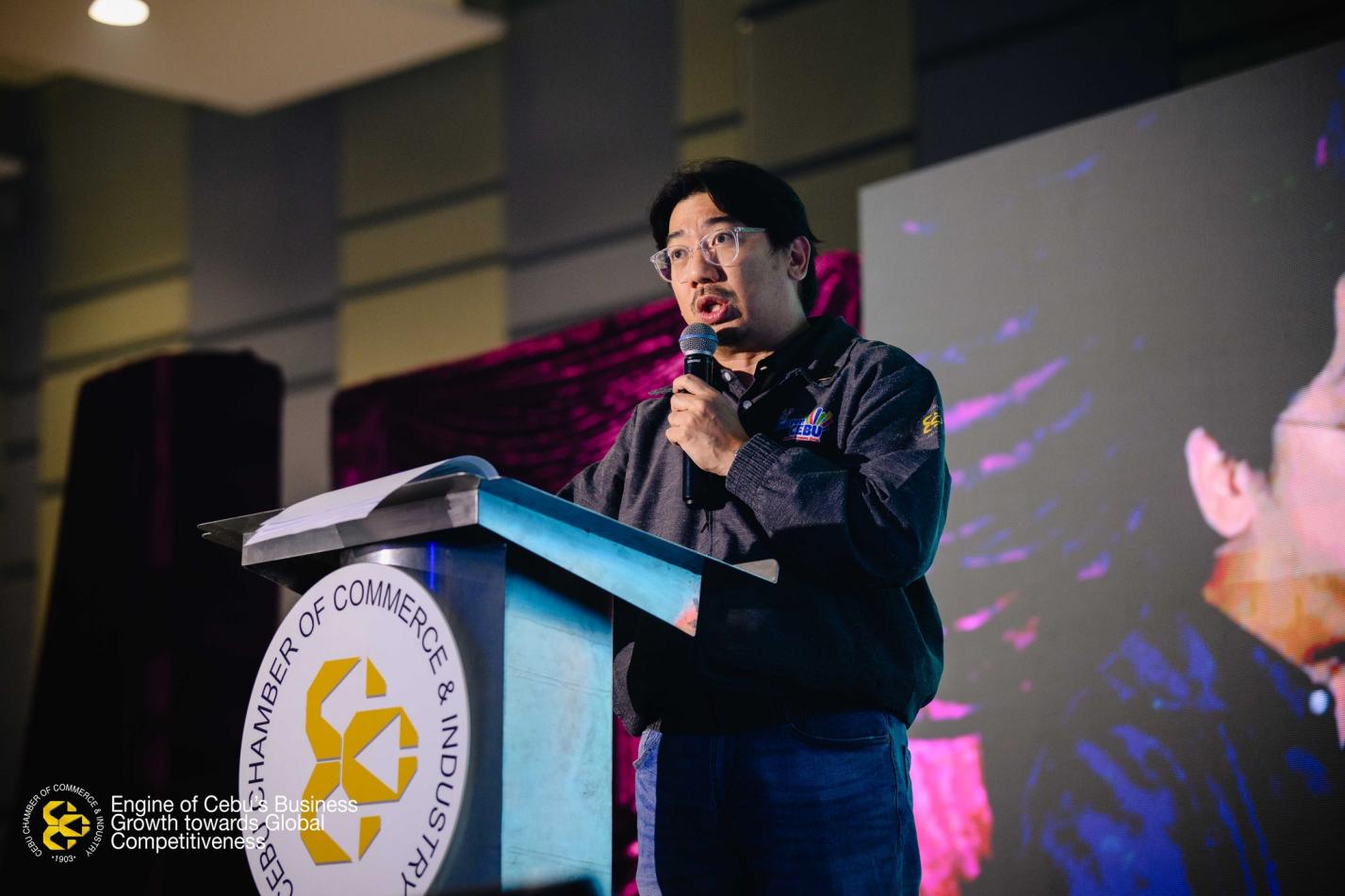
Meanwhile, CBM 2026 Overall Chair Bryan Yap explained that this year’s program was intentionally designed as “Four Summits, One Conversation,” with each summit connected under one master plan for Cebu’s future.
The four major components include the Investment and Entrepreneurship Summit, Technology and Innovation Forum, MICE and Tourism Summit, and Good Design Good Business.
“CBM 2026 was not built by simply filling up a schedule,” Yap said. “It was designed as one connected progressive summit series under a single master plan.”
According to Yap, each summit addresses a different aspect of Cebu’s growth while collectively asking one central question: “What kind of Cebu are we building?”
He stressed that the initiative goes beyond conferences and formal sessions.
“The most valuable moments of CBM will not always happen on stage,” Yap said. “They will happen in hallways, across coffee tables, in conversation after sessions end.”
Yap encouraged participants to actively engage, collaborate, and contribute ideas that can help shape Cebu’s future.
“Cebu does not get left behind. Cebu leads the way,” he added.
The launch also highlighted the importance of collaboration among businesses, government, academe, MSMEs, and civil society in sustaining Cebu’s economic momentum.
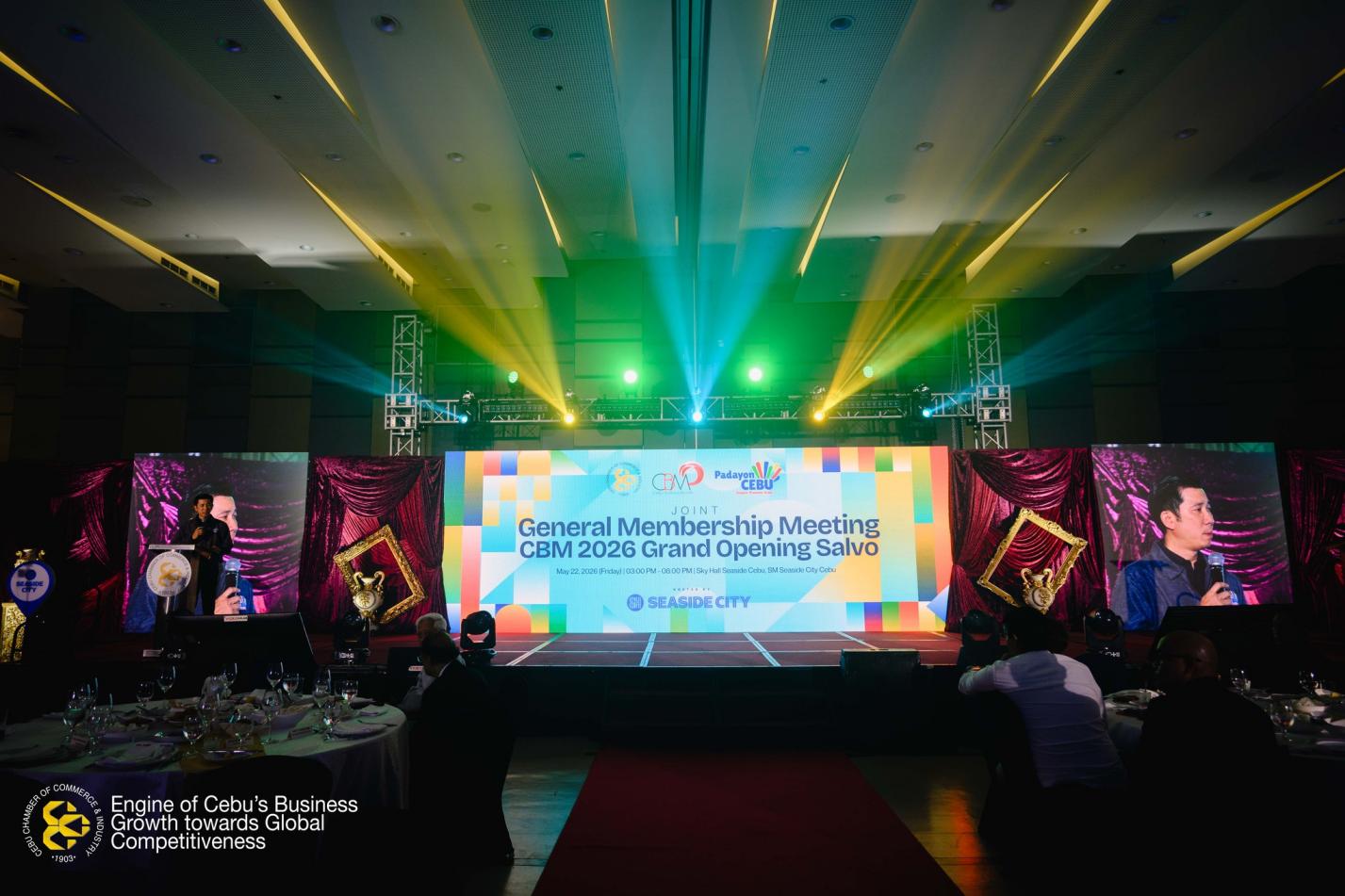
As CBM 2026 officially opens, organizers hope the month-long initiative will create meaningful partnerships, attract investments, and strengthen Cebu’s position as one of the country’s leading business and tourism hubs.
“Will Cebu simply react to change or will Cebu help shape what comes next?” Yap asked. “I believe we already know the answer.”